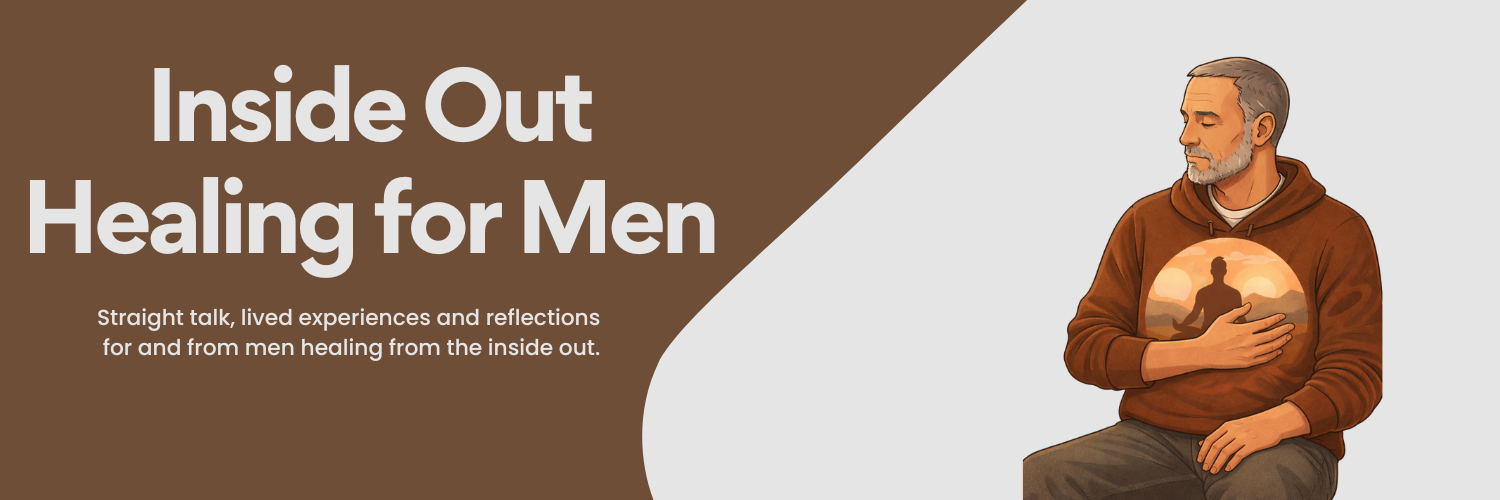
How My Healing Journey Began
The month of March has become a reformative one for me. It was 40 years ago, in March of 1986,
I Think I’ve Been Hibernating
After weeks of staying close to home, I realized something: I think I’ve been hibernating. A reflection on winter, recovery milestones, and the quiet seasons that sometimes precede change.
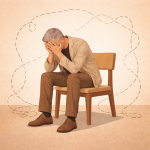
The Boundary I Couldn’t Hold Before
I used to lose myself in one particular relationship. This weekend, I didn’t. What changed wasn’t the other person. It was my ability to hold a boundary without explaining it.
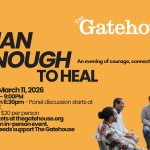
Why Man Enough to Heal Matters to Me
Why this panel conversation matters to me, what men often carry in silence, and what becomes possible when honesty is met with safety and structure.

Before I Knew I Needed Freedom
A meme of a U-Haul hauling U-Hauls sent me back to my early twenties, driving across Southern Alberta. What I didn’t realize then was that this job quietly planted my lifelong need for freedom.
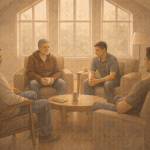
Addiction Wasn’t My Original Problem
Addiction was not my original problem, it was my first attempt at relief. A reflection on childhood trauma, early addictions and why so many coping strategies start as survival before they become suffering.

The Star Wasn’t the Thing That Hurt
A one-star review shouldn’t have landed the way it did. But past disruption has a way of tuning the nervous system to scan for threat. This is a reflection on stewardship, vigilance, and the quiet work of choosing not to react.
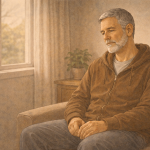
Early Sobriety Tip: Don’t Make Big Decisions Yet
Early sobriety can make everything feel urgent, including big life decisions. This post is a reminder to pause, stabilize, and let clarity arrive before you reinvent your life.
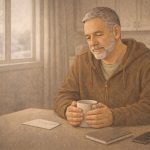
When My Self-Worth Rises and Falls With My Bank Balance
A good email can lift my whole mood, even when my bank account has not changed. This is a look at why I tie worth to money, and a plan to untangle it.
Slow Sundays, Snow Days, and Letting the Nervous System Exhale
Sometimes the most healing thing you can do is stop. On a snowy Sunday under a Polar Vortex, I let myself rest, read, and give my nervous system a break from the noise.
Recovery Was the Beginning. Healing Came After.
This is a reflection on how recovery saved my life, and how healing began when survival was no longer the goal.
No One Heals Alone
Community has been at the core of my recovery, from the rooms of AA to my CSA healing journey. I didn’t heal alone, and I don’t believe anyone is meant to.