Why I Used to Hate New Year’s Eve
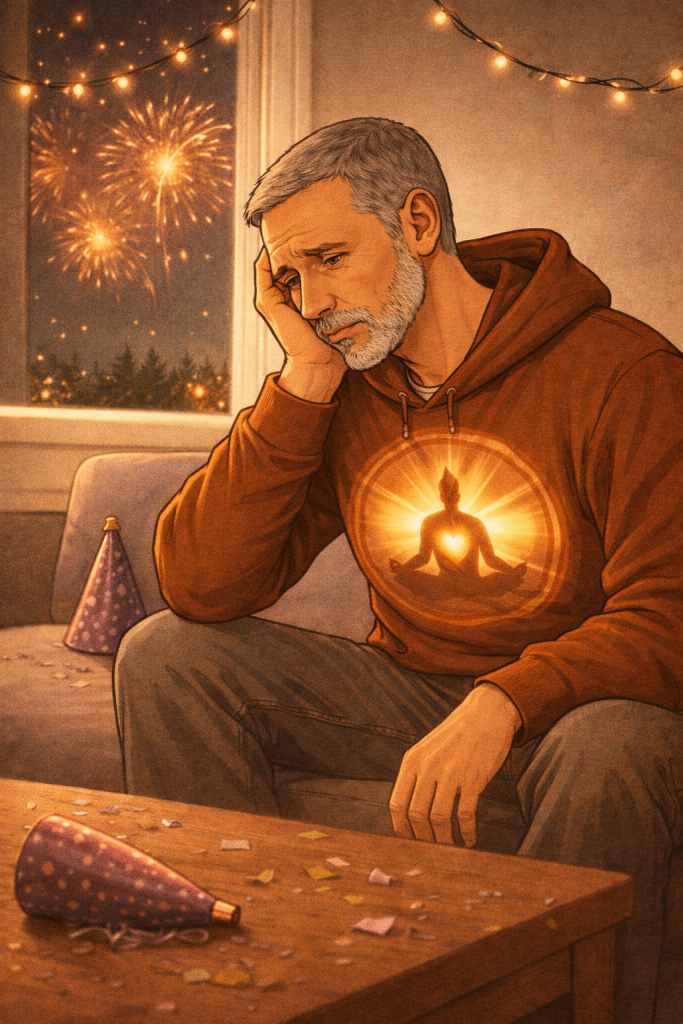
For years, New Year’s Eve felt loaded with pressure, heartbreak, and old patterns. This reflection explores how healing helped loosen its grip and reclaim the night on my terms.
Letting the Year Exhale

As the year winds down, there’s often pressure to make sense of it all. This short Meditation Monday post offers a simple pause to let the body breathe out what it’s been holding, without analysis or effort.
Two Tips for Your First Sober Christmas
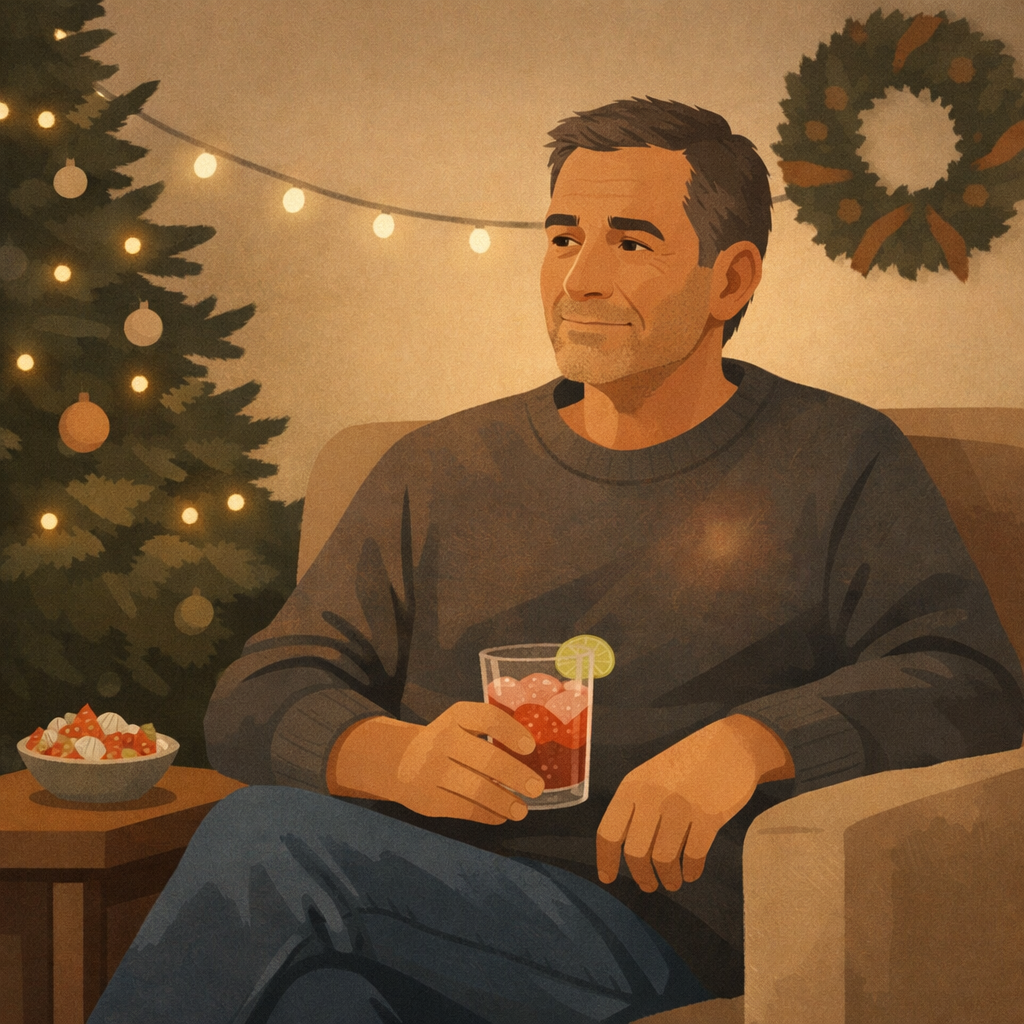
If this is your first sober Christmas, you don’t need ten tips, a perfect plan, or festive enthusiasm. You just need a couple of steady anchors to help you get through it sober and intact.
Loss and Grief: When Pets Leave a Hole in Your Life

Loss and grief have been quiet companions in my life, but the hardest losses were my animals. When a pet dies, the silence can be crushing, even for a man who thinks he should be “tough.” This is a reflection on love, heartbreak, and staying sober through it.
Self-Care Is Not Selfish, It’s Maintenance
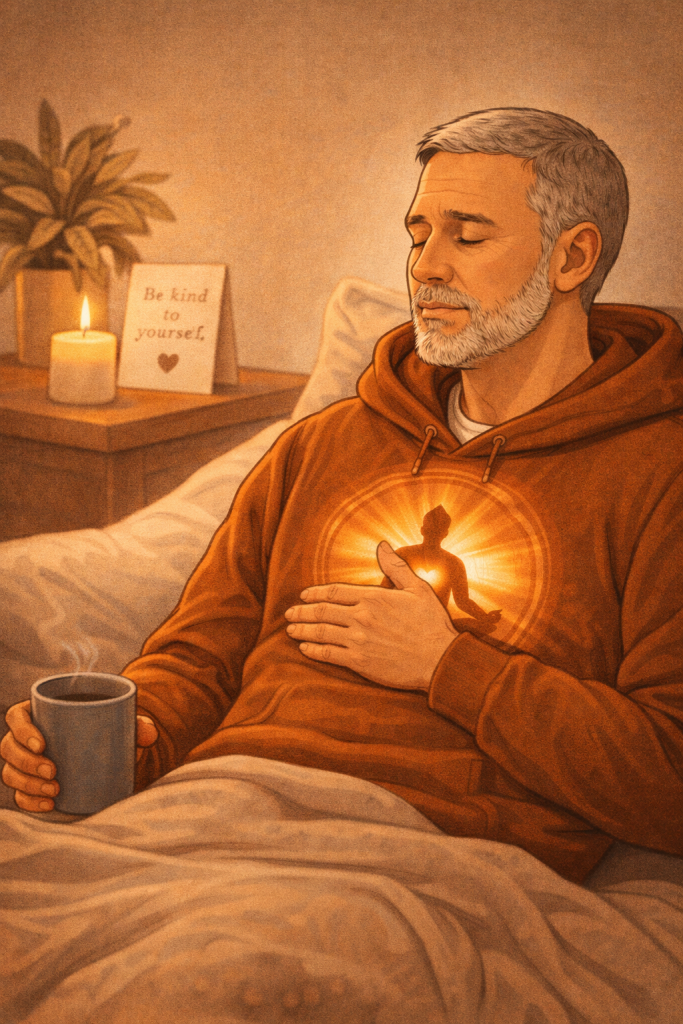
Self-care once felt selfish to me. What I’ve learned over time is that it’s not indulgence, it’s maintenance. The kind that keeps us steady before everything falls apart.
Reflection Friday: What Actually Knocks Me Off Centre?

Being knocked off centre doesn’t always come from something big. Sometimes it’s subtle, like financial uncertainty or internal pressure. This reflection explores noticing it sooner and responding with steadiness instead of panic.
My Half-Second Rule (Not Reacting Right Away)
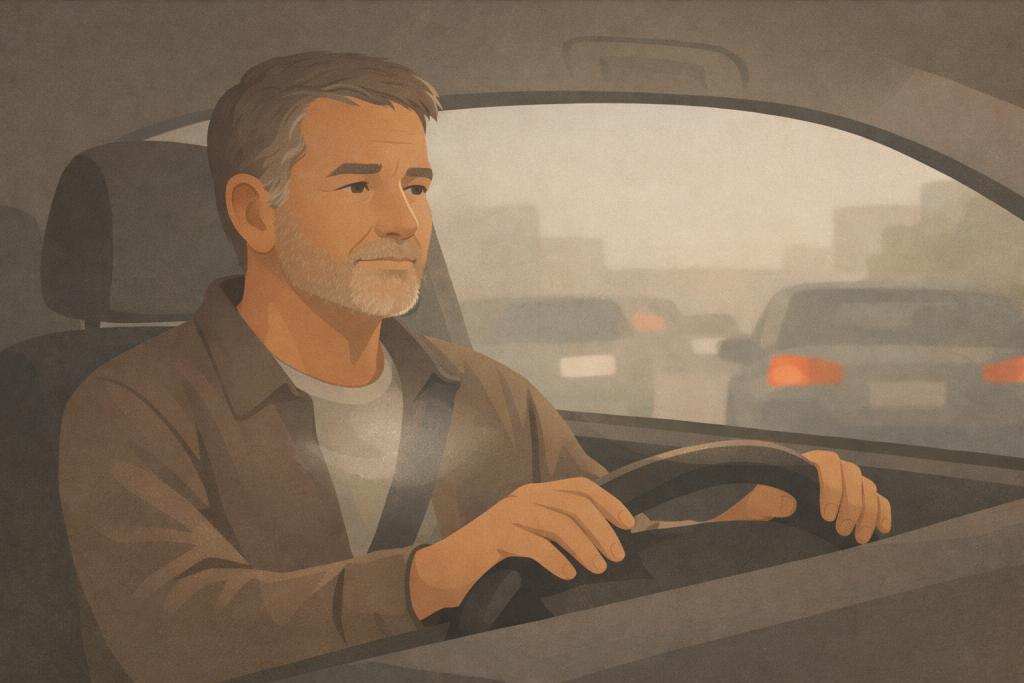
The Half-Second Rule is a small pause that changes everything. One breath, a silent count, and you move from reflex to choice, especially in everyday moments that used to set you off.
Why I Hesitated to Let My Writing Be Seen
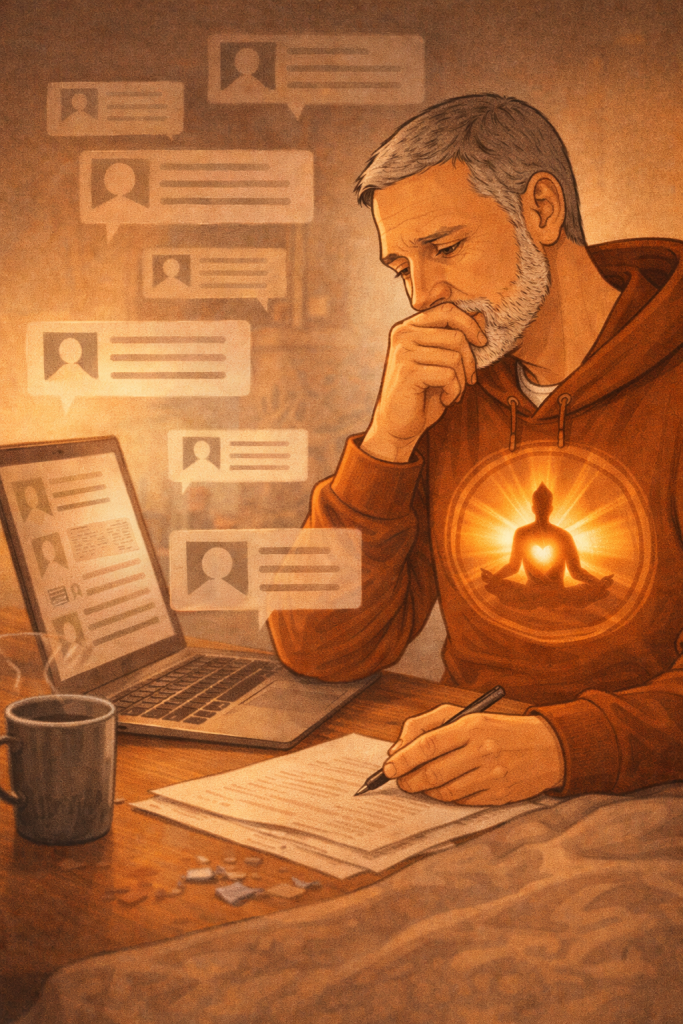
For a long time, I kept this writing to myself. Not because it wasn’t ready, but because a familiar internal voice said no one wanted to read it. This is why I hesitated, and why I’m sharing it now.
Resentments Are Unmet Expectations

Resentment isn’t just anger that lingers. Often, it’s an unmet expectation we never named, examined, or questioned. A reflection on why that still matters.
Early Sobriety Tale: Thinking I Could Outrun Myself
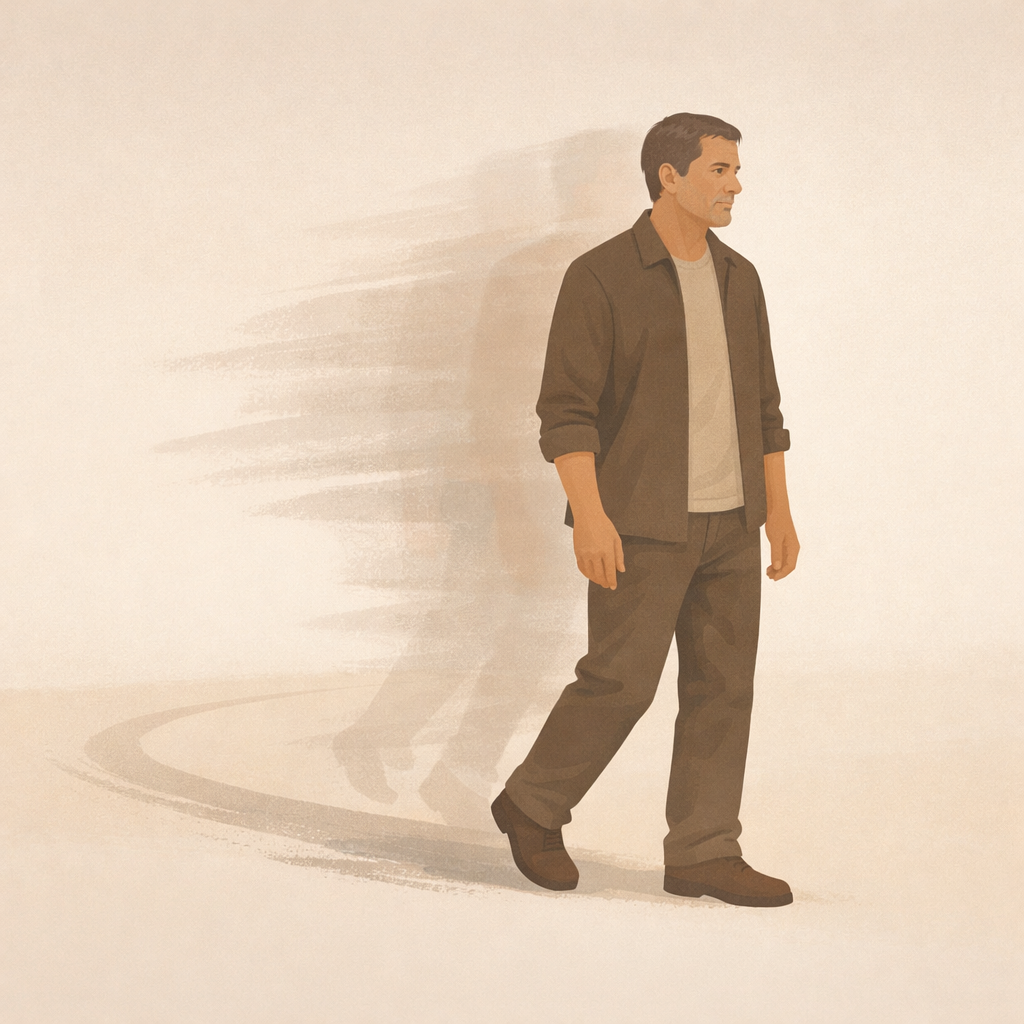
Early sobriety taught me how small time sometimes needs to be, one day, one hour, even one song at a time. This is what I learned when I stopped drinking but didn’t yet know how to slow down.